
Industries
The way in which TMS systems are used varies greatly from industry to industry, and a one-size-fits-all approach creates substantial gaps for certain industries. Xplanis is proud to offer industry-specific use cases to ensure a smooth operation for our customers. Learn more about the use cases that X4fleet covers and what specific requirements are relevant for each one of them.

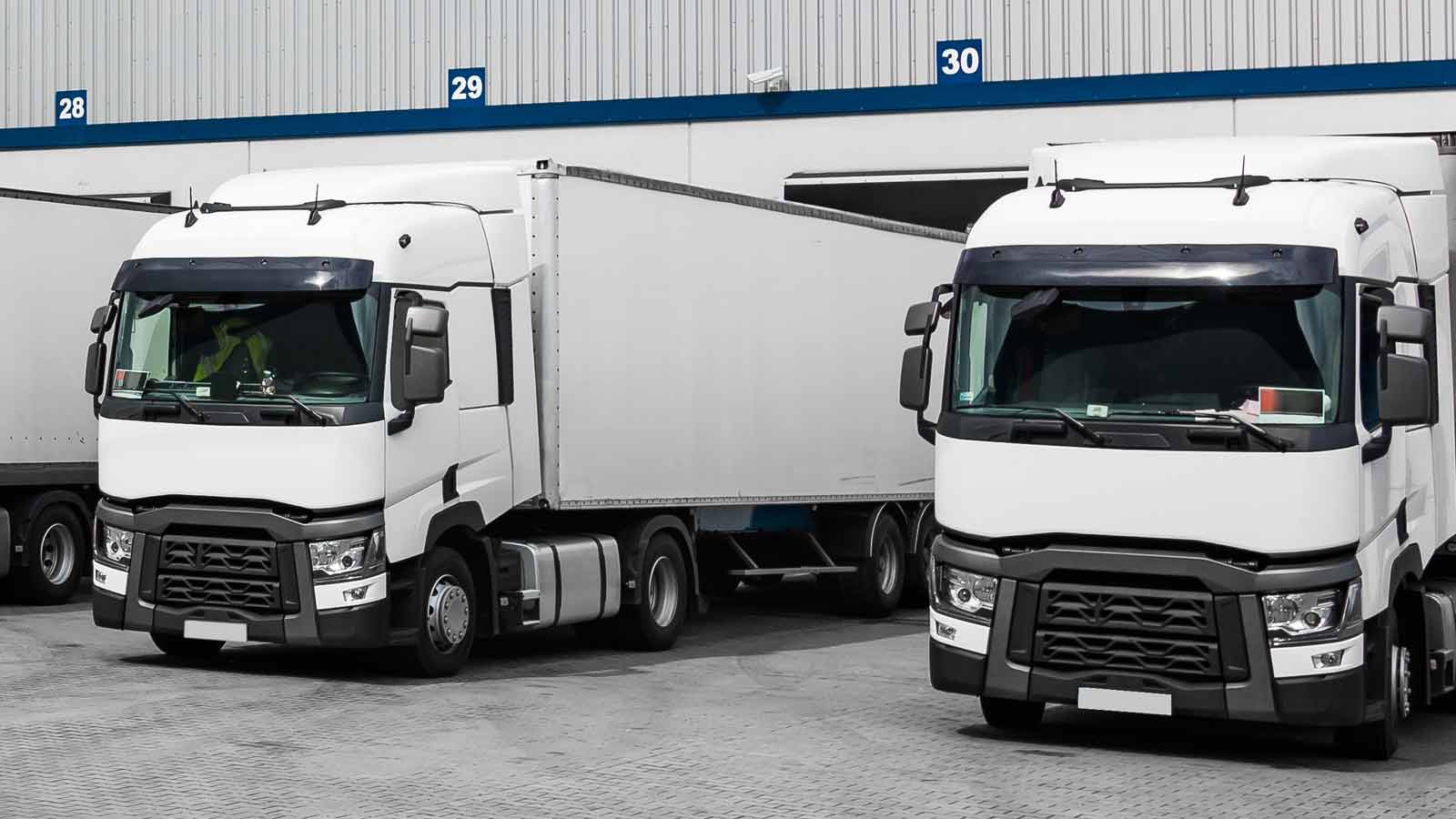
General Freight Trucking (FTL, LTL)
The handling of full-truckload (FTL) and less-than-truckload (LTL) shipments for a wide variety of goods requires a flexible planning for regional and long-haul transport. Transport operators in this domain need reliable movement of palletized cargo, industrial products, or consumer goods. FTL ensures dedicated space for large shipments, while LTL consolidates smaller loads from multiple shippers, optimizing cost and efficiency. Advanced route planning and tracking systems provide transparency and timely delivery across national and cross-border routes.
Express Parcel & Courier Delivery
Specializes in fast, time-sensitive deliveries of small parcels, documents, and e-commerce orders. Services often include same-day or next-day delivery options, real-time tracking, and proof of delivery for maximum reliability. Designed for urban and regional distribution, express networks leverage optimized routes and micro-hubs to meet tight deadlines, making them essential for businesses requiring rapid fulfillment and customer satisfaction.

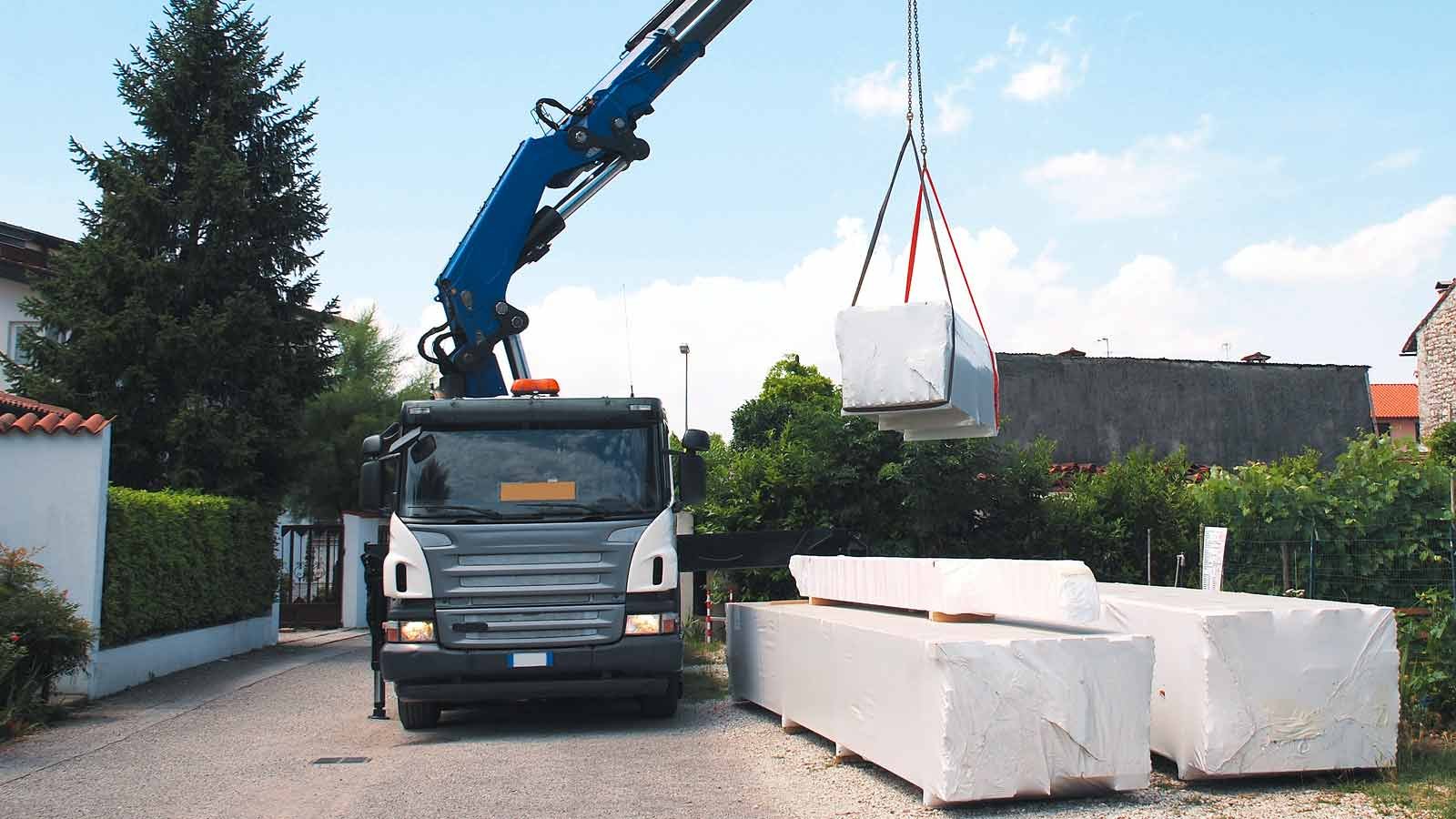
Construction Materials
For the delivery of construction materials such as aggregates, concrete, steel, and other building supplies to construction sites, a precise scheduling is required to avoid project delays. Vehicles are typically equipped for heavy loads and often include cranes or tipping systems for efficient unloading. A detailed handling of the vehicle's attributes and specializations ensures transparency throughout the planning process. The algorithms used for tour planning must take the vehicle's attributes such as weight and dimensions into account.
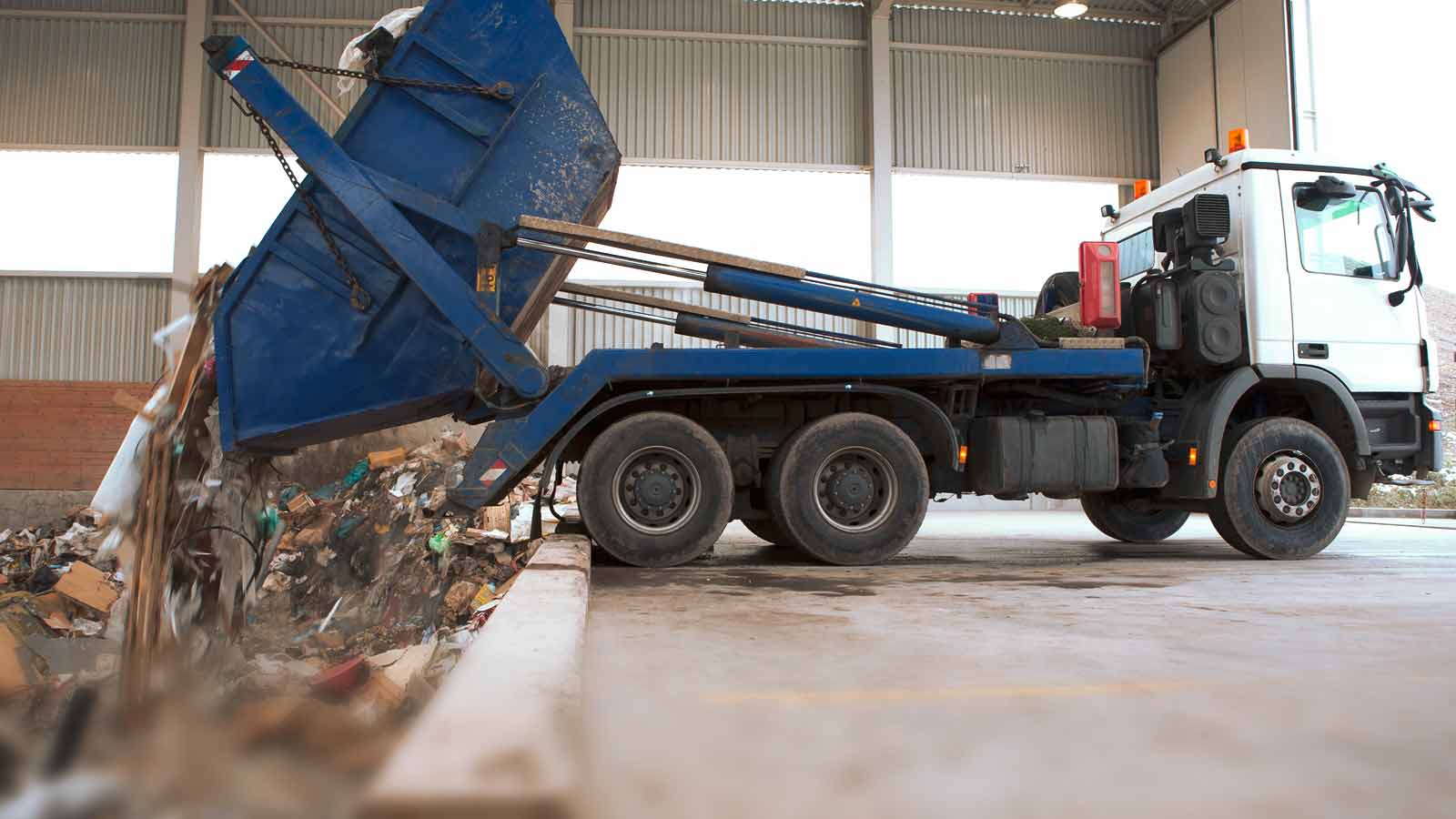
Recycling & Waste Collection
The collection and transport of waste, recyclables, and hazardous refuse to treatment or disposal facilities follows its own pattern that requires an appropriate coverage during transport planning. For operators of such services, it is particularly important to manage and track their loading units such as troughs, in order to keep an oversight about their operations. A classification of hazardous materials (ADR) is often required to ensure the adequate qualifications of vehicles and drivers for handling such materials.
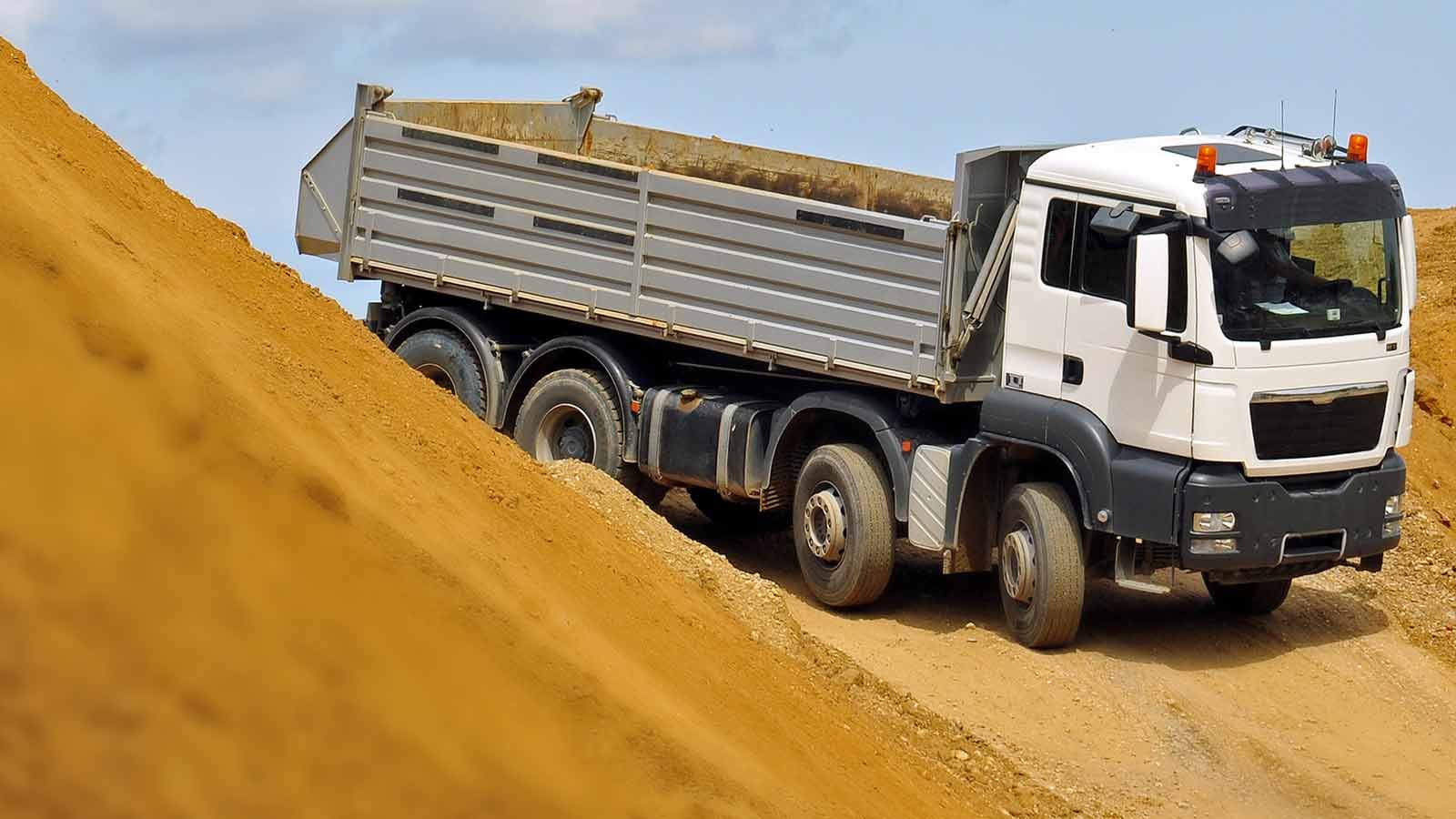
Dry Bulk Transport
The transport of unpackaged bulk commodities such as gravel, grains, minerals, cement, and powders requires specialized use cases. Oftentimes, transport orders are split into multiple truckloads and drivers make amendments to the transport orders based on needs that are assessed on-site.
Dairy and Liquid Food
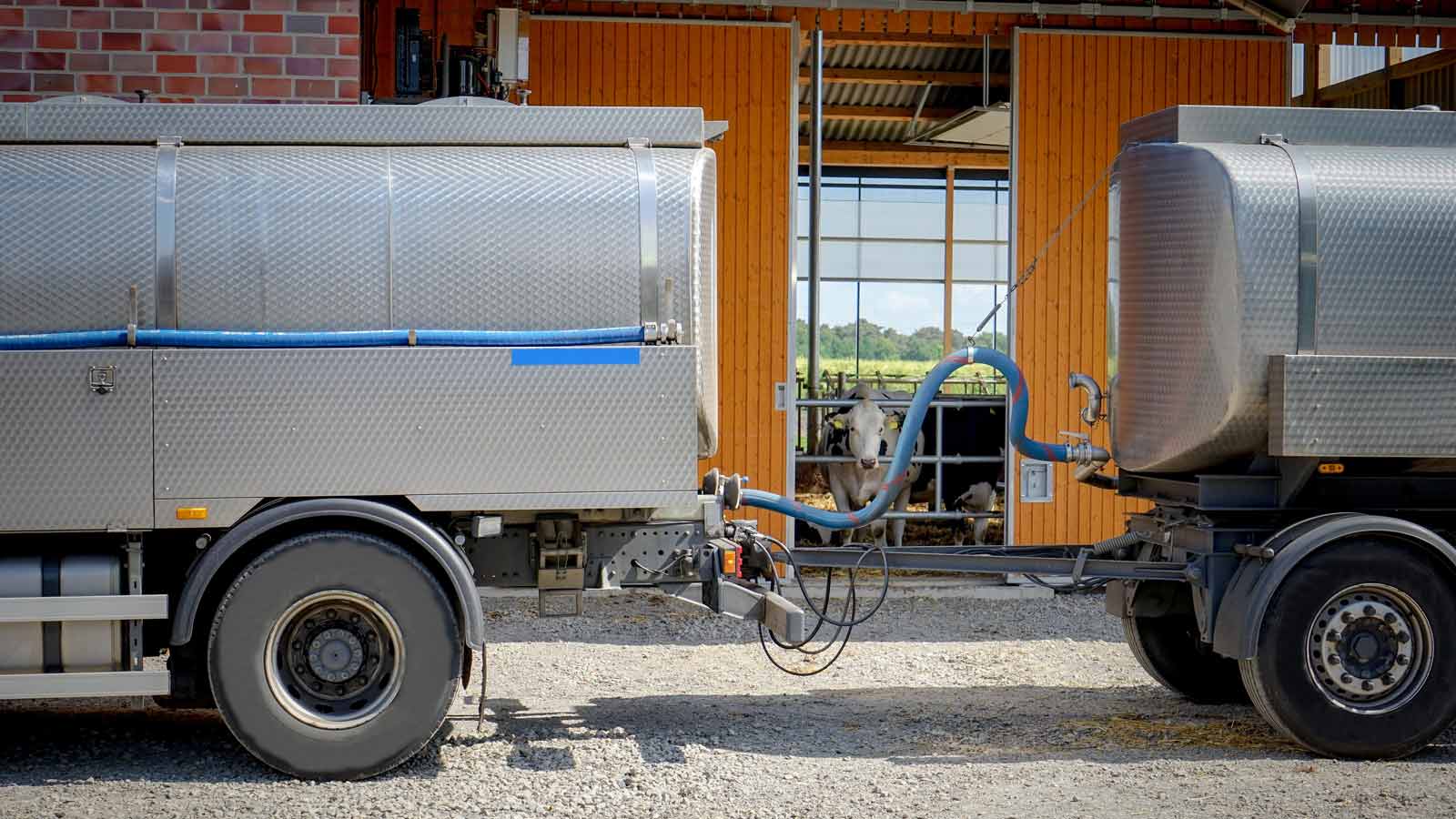
The transport operation for liquid food tankers comes with special requirements. Especially for the transport of milk, flexible collection places are usually set up where farmers can drop off their product. Temperature-controlled vehicles ensure the safe handling of the perishable goods.
Fuel & Liquid Bulk
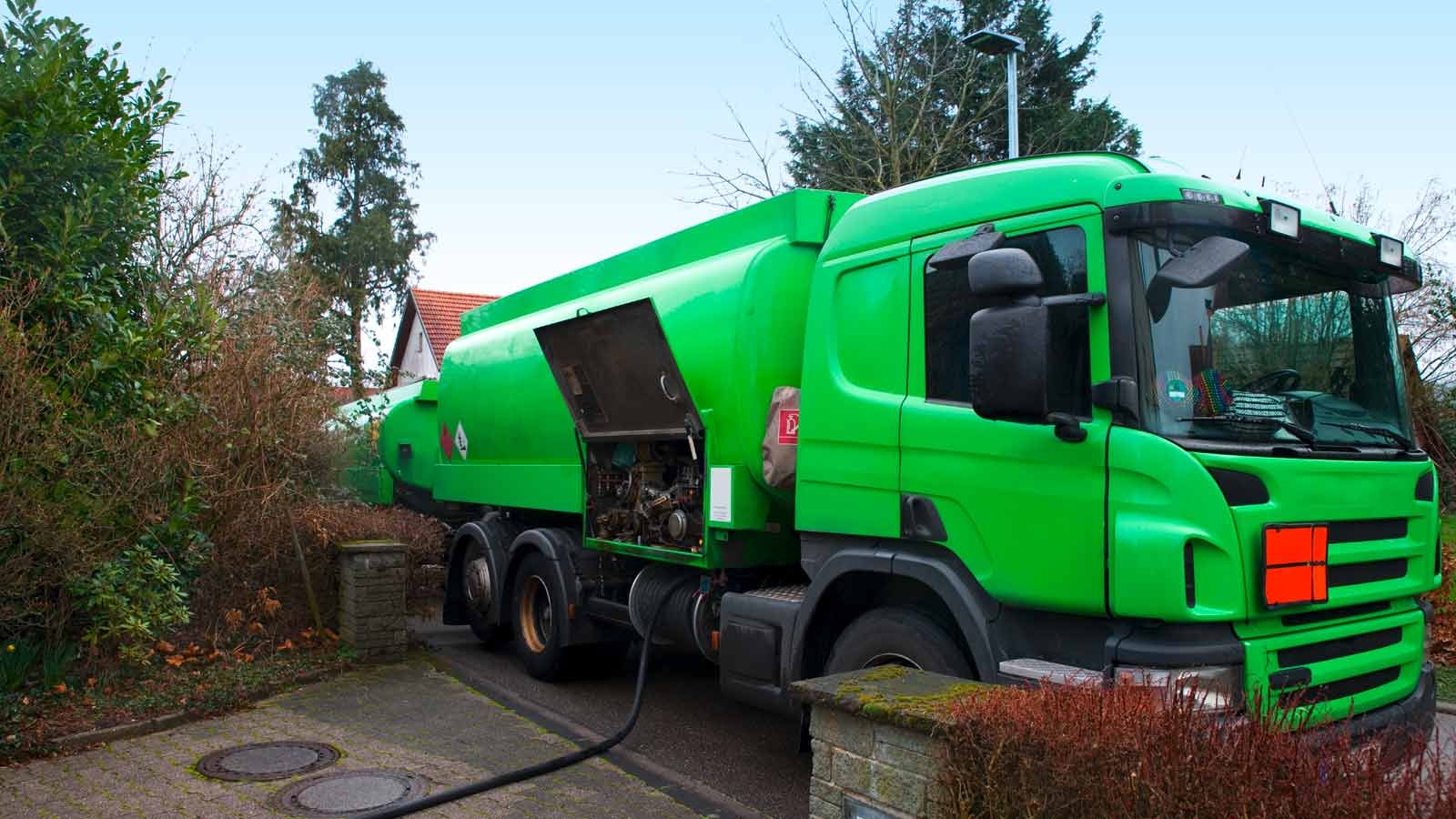
Tankers carry liquids including fuels, chemicals and other liquid goods. Each tanker is designed for specific liquid types, ensuring contamination-free handling and compliance with hygiene or hazardous material standards. Some vehicles are split into different chambers, each of which serves to transport a certain type of liquid. Services often include cleaning protocols and secure sealing to prevent leaks during transit. A classification of hazardous materials (ADR) is often required to ensure the adequate qualifications of vehicles and drivers for handling such materials.
Food and Fresh Products
Refrigerated vehicles are typically transport perishable goods such as fresh produce, dairy, meat, and frozen items and require temperature monitoring throughout the supply chain. Cold chain logistics often include compliance with food safety standards, temperature audits, and contingency plans to prevent spoilage during transit. The planning of the transport operations usually requires the possibility to make adaptations on short notice.

Event & Show Logistics
Manages transport for temporary setups such as concerts, festivals, exhibitions, and sports events. These operations often involve tight deadlines, specialized equipment, and coordination with multiple stakeholders to ensure timely delivery and setup of staging, lighting, and sound systems. Checklists can be used to support the organization of the tasks on-site.
Moving and Relocation
The management of moving and relocation transport services requires a detailed time planning for the transport operation itself, but also a time planning for the pick-up and drop-off. Such transports may have to be split into multiple truckloads to ensure a proper digital representation of the transport. A TMS must cover the management of special equipment and loading equipment. Checklists can furthermore enhance the process to ensure all tasks are covered on-site.


Pharmaceuticals
The transport of pharmaceuticals requires strict temperature and security compliance for medicines, vaccines, and sensitive healthcare products. Vehicles are typically equipped with validated refrigeration systems and monitoring devices to maintain integrity throughout transit. The importance of a timely delivery requires a thorough planning of the transport operations.